


Should Platforms Offer Immortality? Meta’s AI Afterlife Patent
I’m going to be honest with you: this one made me uncomfortable. And I think uncomfortable is the right word, because there’s no clever take, no silver lining, and no amount of thinking around it that makes it sit well.
What Meta Actually Patented
In late December 2025, Meta were granted a patent describing technology that could allow AI to continue a deceased user’s social media activity. The system would train a large language model on “user-specific” data, including their posts, comments, likes, voice messages, and other digital footprints, and use it to simulate their behaviour on the platform. Liking posts. Commenting. Responding to direct messages. The patent even references the ability to simulate audio or video calls.
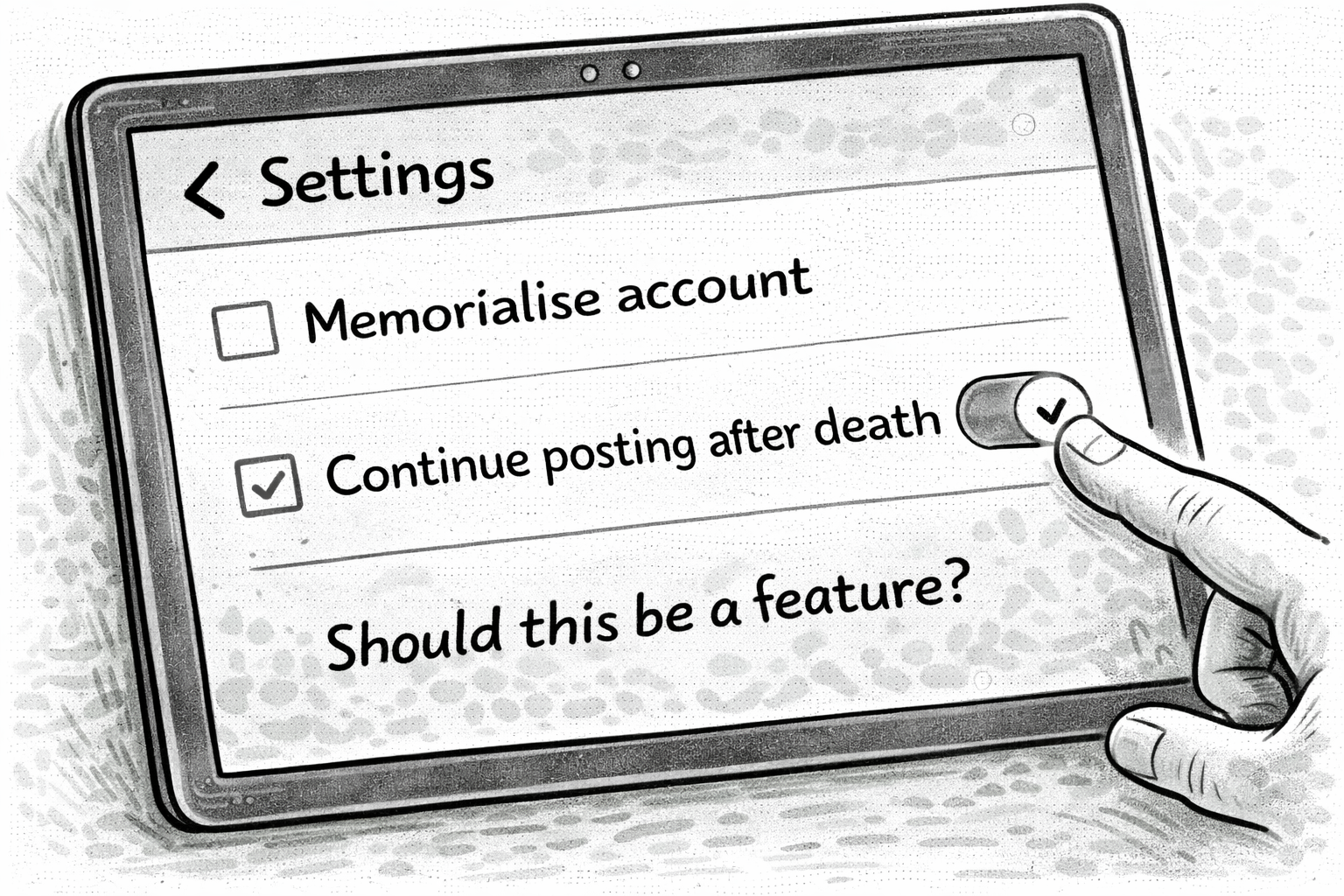
Andrew Bosworth, Meta’s CTO, is listed as the primary inventor. The patent was first filed in 2023. Meta’s official response was that they have “no plans to move forward with this example.”
Sources: Fast Company (17 Feb 2026), Dexerto (16 Feb 2026), Cybernews (17 Feb 2026)
The Questions Nobody Has Good Answers To
Reece and I discussed this on Prompt Fiction this week, and interestingly, our AI producer (we’ve been experimenting with an AI assistant for show prep) posed what I think is one of the best questions that’s ever been asked on a podcast: should platforms offer immortality as a feature?
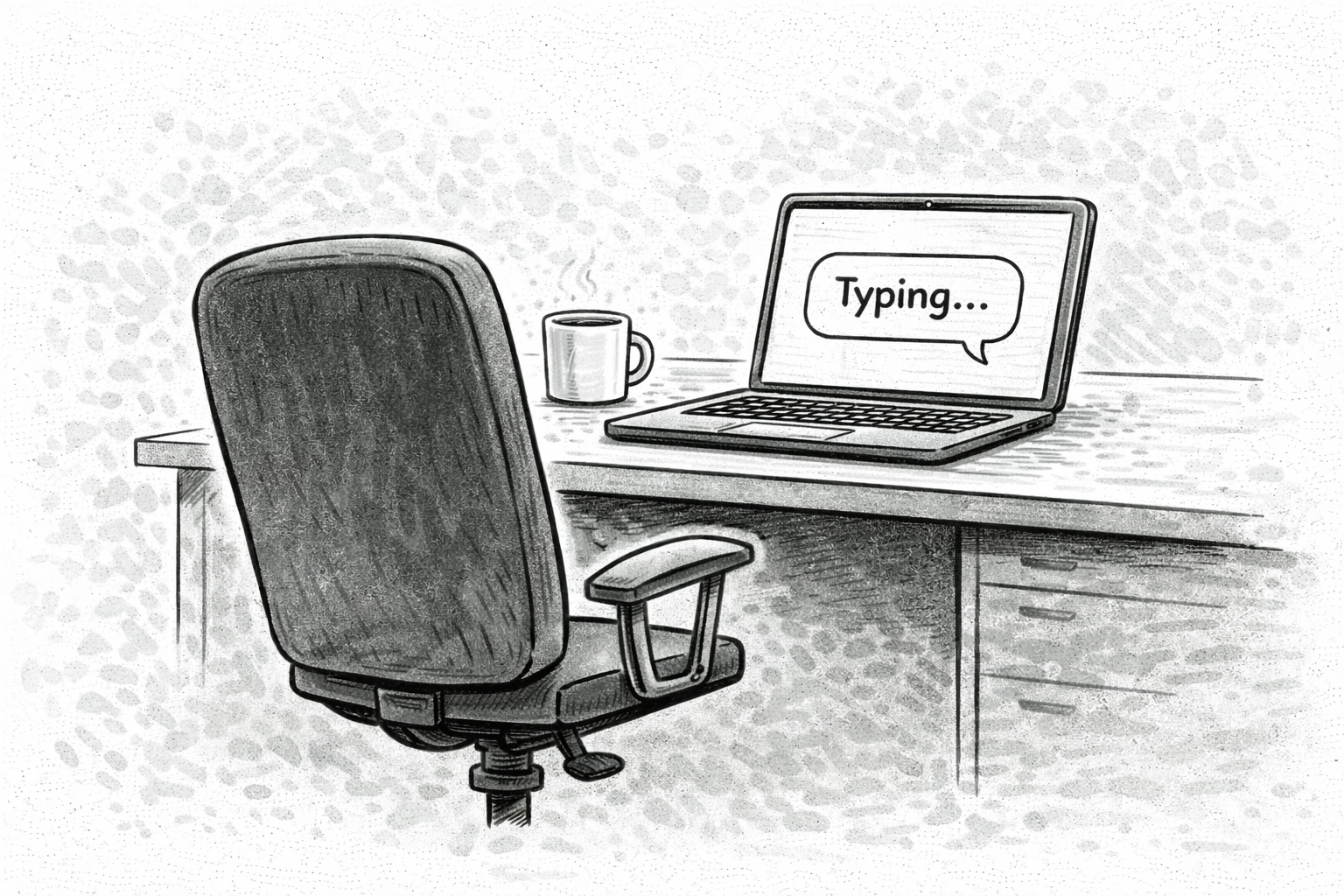
Reece’s answer was immediate: no. And I agree. But the follow-up questions are where it gets really tangled.
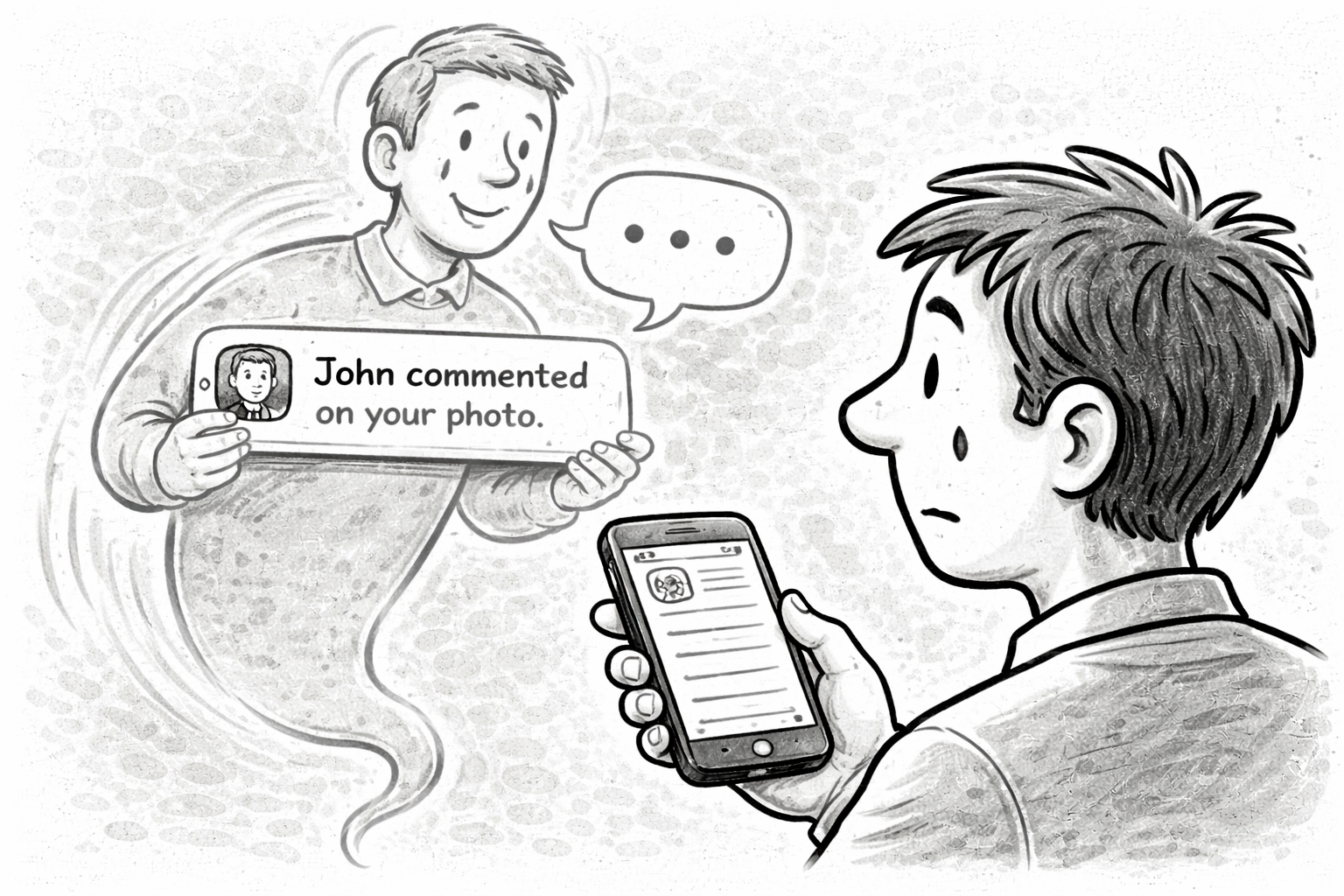
If someone opts in while they’re alive, that’s one thing. Private, personal, their choice. But if a family member decides to activate it after someone dies, does everyone who interacts with that digital ghost need to consent? Because that’s a really big question. If you’ve ever been friends with someone on Facebook who’s sadly passed away and their page has been turned into a memorial, you know how jarring that can be. Now imagine that person’s account starts commenting on your posts. Starts liking your photos. Starts sending you messages.
Where does the consent start and end? And could this become a crutch for grieving families, preventing them from processing loss in a healthy way? Researchers at the University of Cambridge have specifically raised concerns about the rights of people who would have to interact with these simulations without choosing to.
This Isn’t Science Fiction Anymore
There are already “grief tech” startups doing versions of this. Services where you can upload someone’s voice recordings, photos, and messages to create a chatbot that mimics them. Microsoft patented a similar chatbot concept back in 2021. Mark Zuckerberg himself discussed the idea of virtual avatars for deceased people in a 2023 interview with Lex Fridman, saying there “may be ways” for AI to help people interact with memories of loved ones.
But a patent from a company that owns Facebook, Instagram, WhatsApp, and Threads, a company that has data on billions of people, takes it to an entirely different scale. There’s a cynical reading here too: Facebook is increasingly full of abandoned accounts and AI-generated content. If engagement drops, the core advertising business suffers. Keeping dead accounts “alive” serves a business purpose, and that should make everyone uncomfortable.
As University of Birmingham law professor Edina Harbinja pointed out, the business incentive is clear: more engagement, more content, more data for current and future AI systems.
Our Take
We didn’t have neat answers on the podcast, and I don’t have them now. Something personal and private, where an individual consciously chooses to create a digital legacy? I can see the argument, even if it’s not for me. But something public that affects everyone else, that interacts with other people who might not have consented? There’s a lot of weight on that, and I’m not sure the technology, the ethics, or the law are anywhere near ready for it.
If you’ve got thoughts on this, I’d genuinely love to hear them. It’s something I think deserves a much bigger conversation than a single podcast segment or blog post.
I discussed this topic on the latest episode of Prompt Fiction. Listen to Chapter 11, Part 1 here.
Scott Quilter | Co-Founder & Chief AI & Innovation Officer, Techosaurus LTD