


Windows 10 Support Ends in Weeks: 700M Users Face Upgrade Dilemma
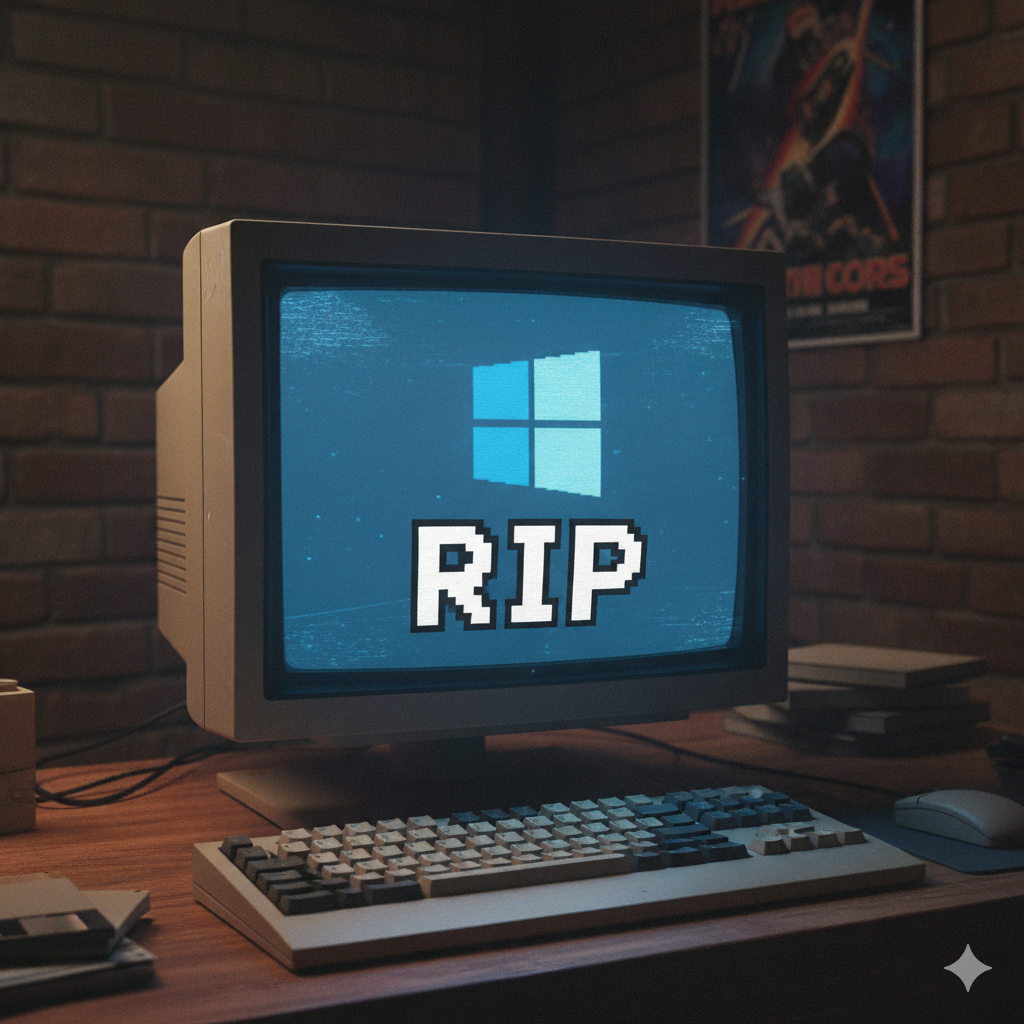
In just a few weeks, Microsoft will finally pull the plug on Windows 10 support, with October 14, 2025, marking the end of security updates for an operating system that still powers around 700 million devices. That’s not just a technical deadline, it’s a cultural one too, as many people and businesses dig their heels in against upgrading to Windows 11.
The story isn’t just about updates though, it’s about forced obsolescence, enterprise disruption, and the uncomfortable role AI now plays in the upgrade cycle.
A Market Stuck in the Middle
StatCounter’s latest figures show Windows 10 still clinging to 45.65% of the desktop Windows market, with Windows 11 at 49.02%. Even more telling, Windows 11 actually lost share in August after peaking in July. Enterprises are dragging their feet hardest, with half of corporate endpoints still on Windows 10.
For many, the biggest barrier isn’t stubbornness, it’s silicon. Windows 11’s strict requirements like TPM 2.0, Secure Boot, and UEFI have locked out huge numbers of otherwise functional PCs. The latest 24H2 update tightened things further, blocking older CPUs without SSE 4.2 support.
Workarounds and the Rise of Tiny11
Where Microsoft sets walls, communities find ladders. Projects like Tiny11 strip Windows 11 down to its bones, removing Edge, OneDrive, and Copilot, while bypassing hardware restrictions entirely. The September release even reduces the install footprint to under 3GB.
But these hacks come at a price. Modified builds don’t guarantee long-term updates, and Microsoft is already labeling bypass tools as “potentially unwanted.” That’s not paranoia, it’s reality: running an unsupported OS variant is basically betting your system security against Microsoft’s patience.
Microsoft’s “Snooze Button” Security Patch Plan
To soften the blow, Microsoft introduced an Extended Security Updates program, offering patches until October 2026. Pricing is unusual though: $30 for up to 10 devices, or even 1,000 Microsoft Rewards points. On paper it’s generous, but in practice it feels like a “snooze button” rather than a real solution.
The Restart Project summed it up best, calling it a band-aid on a bleeding system. And for many IT departments, it just delays the inevitable budget hit of new hardware.
My Take: An Uncomfortable Shift to AI PCs
What strikes me most is how tightly this whole transition is tied to AI. Microsoft isn’t just pushing people onto a newer version of Windows, it’s pushing them toward Copilot+ PCs and AI-optimized hardware. The lawsuit in San Diego accusing Microsoft of abusing its market position reflects a growing unease—are we being nudged toward innovation, or herded into a new product cycle?
From an enterprise point of view, this could be one of the costliest upgrade cycles in decades, both in money and in e-waste. Millions of perfectly good machines will be dumped, not because they can’t compute, but because they can’t compute the way Microsoft wants.
Final Thought
Windows 10’s end of life isn’t just another sunset—it’s a stress test for how we handle forced obsolescence in an era where hardware, software, and AI strategy are inseparable. For individuals, Tiny11 and ESU buys time. For enterprises, the clock is ticking fast. And for Microsoft, the risk is that this becomes remembered not as a successful transition, but as the most contentious operating system change in its history.